- Ethernet is a widely used technology for local area networks (LANs) that allows devices to connect and communicate with each other over a network. Here are some key points about Ethernet:
- Definition: Ethernet is a family of networking technologies and protocols that define the rules for transmitting data packets between devices on a network. It provides a way for computers, servers, printers, and other devices to communicate with each other.
- Standardized Protocol: Ethernet follows a set of standardized protocols known as the Ethernet standards or IEEE 802.3 standards. These standards define the physical and data link layers of the network, specifying how devices should connect physically and how data should be transmitted and received.
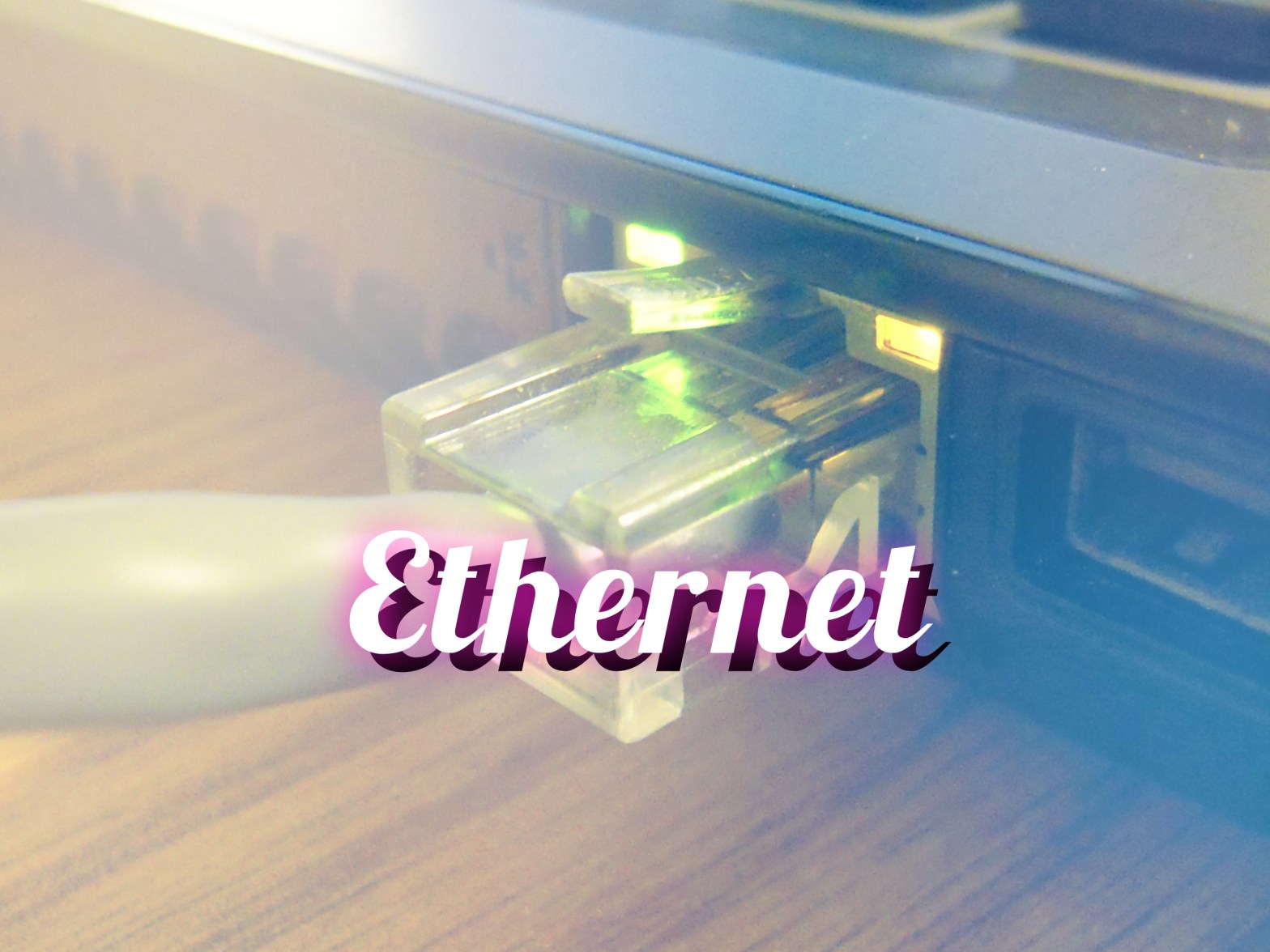
- Wired Connection: Ethernet primarily uses a wired connection, where devices are connected to the network using Ethernet cables. These cables typically use copper wires and RJ-45 connectors to establish a physical connection between devices.
- Data Transmission: Ethernet enables the transmission of data packets between devices. It uses a method called Carrier Sense Multiple Access with Collision Detection (CSMA/CD) to manage access to the network and avoid data collisions when multiple devices are trying to transmit data simultaneously.
- Speed and Performance: Ethernet supports different data transmission speeds, commonly known as Ethernet speeds. The most common Ethernet speeds include 10 Mbps (megabits per second), 100 Mbps, 1 Gbps (gigabit per second), 10 Gbps, and higher. Higher speeds allow for faster data transfer rates and better network performance.
- Compatibility and Scalability: Ethernet is highly compatible and scalable, allowing devices from different manufacturers to connect and communicate seamlessly. It supports the concept of Ethernet switches, which enable the creation of larger networks by connecting multiple devices together.
- Ethernet Variants: Over time, Ethernet has evolved to support different variants and technologies. Some notable variants include Fast Ethernet (100 Mbps), Gigabit Ethernet (1 Gbps), and 10 Gigabit Ethernet (10 Gbps). Additionally, there are specialized variants like Power over Ethernet (PoE), which allows for power and data transmission over the same Ethernet cable.
- Ubiquitous Adoption: Ethernet has become the de facto standard for wired LANs and is widely adopted in homes, offices, data centers, and various other environments. It provides a reliable and efficient means of networking, enabling devices to share resources, access the internet, and communicate with each other.
Ethernet/Network
 𝙽𝚎𝚡𝚝 𝙶𝚎𝚗𝚎𝚛𝚊𝚝𝚒𝚘𝚗 𝚃𝚎𝚌𝚑𝚗𝚘𝚕𝚘𝚐𝚢