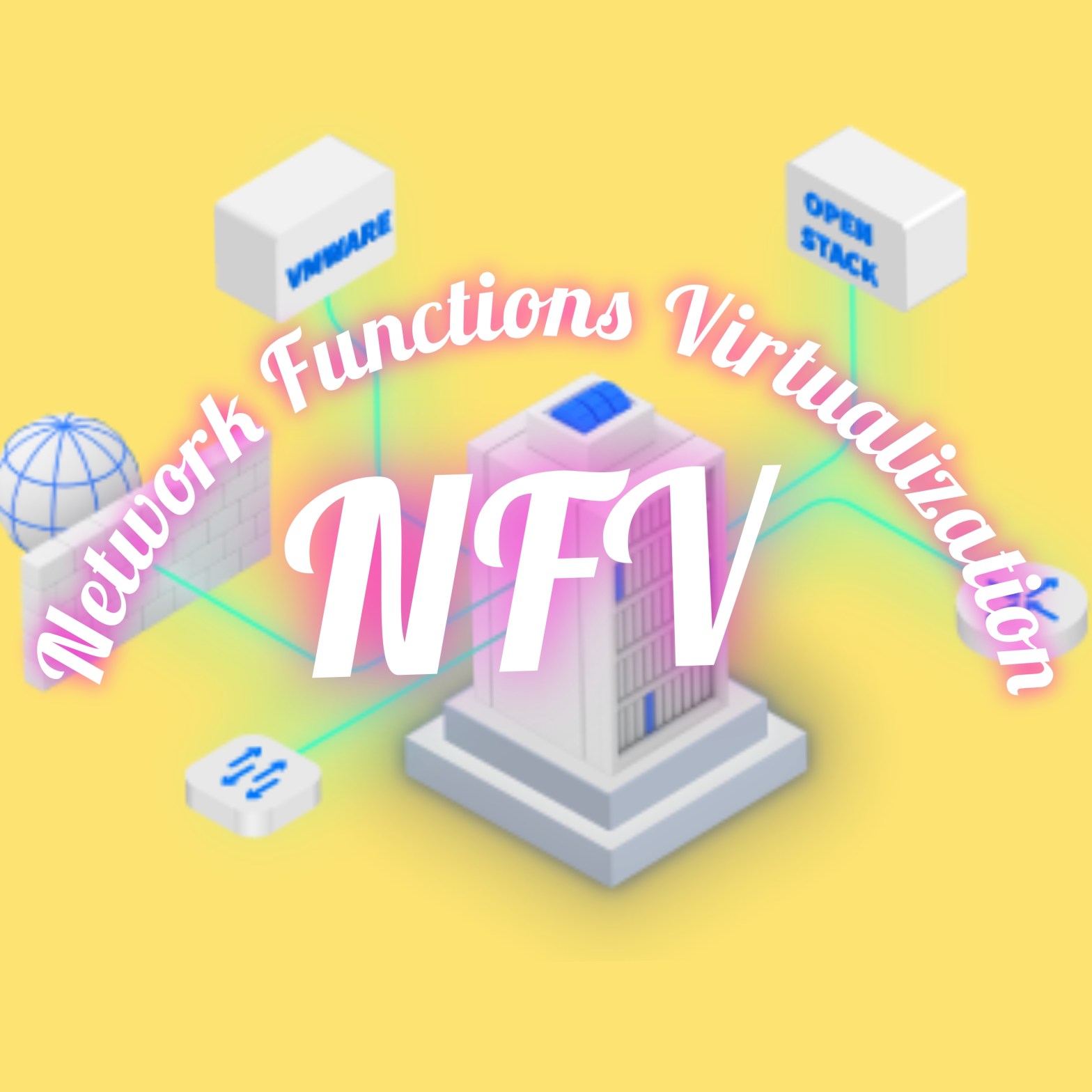
Network Functions Virtualization (NFV) is a technology that is rapidly changing the way networks are designed, deployed, and operated. NFV allows network functions to be virtualized, which can lead to significant cost savings, increased agility, and improved performance.
In the coming years, we can expect to see NFV play an even greater role in the networking landscape. Here are some of the key trends that are likely to shape the future of NFV:
•The growth of 5G and edge computing: 5G and edge computing are two of the most important technology trends that are driving the adoption of NFV. 5G networks require a more flexible and agile infrastructure, and NFV can help to meet these requirements. Edge computing also benefits from NFV, as it allows network functions to be deployed closer to the end user, which can improve performance and reduce latency.
•The rise of open source NFV: Open source NFV software is becoming increasingly popular, as it offers a more cost-effective and flexible alternative to commercial NFV solutions. Open source NFV projects like OpenStack and ONAP are making it easier for organizations to deploy and manage NFV deployments.
•The convergence of NFV and SDN: NFV and software-defined networking (SDN) are two complementary technologies that are increasingly being combined. SDN can help to automate the management of NFV deployments, while NFV can help to provide the flexibility and agility that is required for SDN networks.
Here are some of the benefits of NFV:
•Reduced costs: NFV can help to reduce costs by decoupling network functions from hardware. This allows organizations to scale their networks more easily and efficiently.
•Increased agility: NFV can help to increase agility by making it easier to deploy new network services. This is because NFV services can be deployed as software, which can be provisioned and updated much more quickly than traditional hardware-based services.
•Improved performance: NFV can help to improve performance by allowing network functions to be deployed closer to the end user. This can reduce latency and improve the overall quality of service.
 𝙽𝚎𝚡𝚝 𝙶𝚎𝚗𝚎𝚛𝚊𝚝𝚒𝚘𝚗 𝚃𝚎𝚌𝚑𝚗𝚘𝚕𝚘𝚐𝚢